This practical webinar explores how artificial intelligence is changing dermatology and what primary care clinicians need to know now. It will explain, in accessible terms, how AI can analyse clinical photographs, dermoscopic images, text, and other patient information, and the differences among unimodal, multimodal, and generative AI.
The session will examine current and emerging applications in skin cancer recognition and triage, inflammatory skin disease, teledermatology, lesion monitoring and clinical workflow. It will also consider generative AI for clinical questions, differential diagnosis, patient information, referral letters and documentation.
Particular attention will be given to safe use, including automation bias, false reassurance, hallucination, image-quality and skin-tone limitations, privacy and regulation.
The emphasis throughout will be on understanding where AI can already assist primary care, where caution is required, and why AI outputs must always be interpreted in the context of the individual patient.
As always, we will answer as many questions as possible.
Presenter
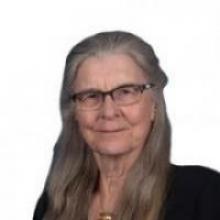
Amanda Oakley
Amanda Oakley CNZM is an Honorary Professor in the Department of Medicine of the University of Auckland and an Honorary Professor at the New Zealand Graduate School of Medicine at the University of Waikato.
Amanda is a diagnostic consultant for MoleMap and co-owner of AIP NZ Ltd, which offers private-sector dermatology triage assisted by AI (AIPDerm).
The original creator of DermNet, she has numerous research and informational publications, both online and in print, on dermatological topics.
Her main research interests are teledermatology, including teledermoscopy, early melanoma diagnosis, and the application of artificial intelligence to dermatology.