Video
FREE WEBINAR: When chronic kidney disease, hyperuricaemia, and gout coexist, they represent a high-risk clinical syndrome with shared underlying mechanisms and compounding morbidity. Interventions need to be based primarily in primary care, along with specific Māori and Pacific culturally appropriate interventions. In this webinar:
- Rob Walker will discuss the key causes and consequences of hyperuricaemia, including overproduction, underexcretion, genetic risk and its links with gout, CKD, cardiovascular disease and metabolic syndrome. He will highlight the earlier and disproportionate burden in Māori and Pacific peoples, the inequities in long-term gout care, and the importance of culturally appropriate, primary care-led management, including lifestyle advice, urate-lowering therapy and treatment of associated cardiometabolic risk factors.
- Hannah Giles will discuss a practical overview of fatty liver disease in the context of broader cardiometabolic and renal risk. She will cover how to recognise people at risk, appropriate initial assessment and investigation, interpretation of abnormal liver function tests, and how fatty liver links with conditions such as CKD, gout, insulin resistance and obesity. She will also outline when lifestyle management is appropriate, what evidence-based interventions to prioritise, and when referral or further specialist assessment should be considered.
As always, we will answer as many questions as possible.
Presenter
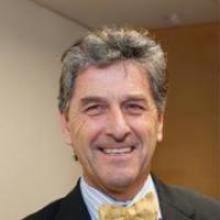
Rob Walker
(MBChB, MD, FRACP, FASN, FAHA)
Rob is currently a professor in the Department of Medicine at the University of Otago, Dunedin, and a consultant Nephrologist for Te Whatu Ora. He is the Director of the ‘Kidney in Health and Disease’ research network based at the University of Otago. He has over 290 peer-reviewed publications. He is an active clinician scientist with translational research projects investigating mechanisms of kidney injury fibrosis and repair. At a clinical level his research interests are cardiovascular risk factors in chronic kidney disease, acute kidney injury and drug induced kidney injury.
Professor Walker is actively involved in the International Society of Nephrology serving ISN South-East Asia Oceania regional board representing the Oceania region, the chair of the ISN Clinical Research Programme committee, a member of the ISN Continuing Medical Education committee and deputy chair ISN Core Programmes committee. He recently stepped down as the Honorary Secretary for the Asia Pacific Society of Nephrology Council but remains on the APSN Executive Committee as chair of the awards subcommittee and is actively involved in the APSN CME committee and its activities. Within the Australia & New Zealand Society of Nephrology, he serves on the Research Advisory Committee and Policy and Quality Committee.
He is also active within the RACP serving on the advanced training committee for nephrology and the RACP grants advisory committees. Professor Walker was awarded the College Medal “hominum, servire, saluti” for outstanding services to medicine and nephrology.
Presenter

Hannah Giles
I predominantly work at the New Zealand Liver Transplant Unit as a transplant Hepatologist with a special interest in immune-mediated liver disease (PSC, PBC and AIH) and liver disease in pregnancy.
I also work part-time at Macmurrays Specialist Centre doing clinics and upper GI endoscopy.
I have recently returned after working in the UK as a Fellow at University Hospitals Birmingham and subsequently a consultant at Addenbrookes in Cambridge where I was responsible for co-chairing the HCC service and leading the Portal Hypertension service.
I have a research interest in mast cells in liver disease and other systemic diseases and have personal and professional interest and experience in managing patients with MCAS (Mast Cell Activation Syndrome).
Supported by an unrestricted educational grant from: