


Mpox
Mpox disproportionately impacts gay, bisexual, and/or men who have sex with men (GBMSM) and their close/intimate contacts.
Anterior cruciate ligament injuries
Covering the clinical assessment of patients with an anterior cruciate ligament (ACL) injury.
Scaphoid fractures
The scaphoid bone is the most commonly fractured carpal bone. The typical injury involves a fall on an out-stretched hand.
Minimising harm in opioid drug prescribing
Prescribing opioid medications can be problematic due to potential for dependence and misuse.
Diagnosing dying
To recognise when a patient you are working with is actively dying, i.e., in the last 24-48 hours of life.
Burns: assessment & management
Burns and scalds are a leading cause of injury to children in New Zealand.
Motor Neurone Disease management
The needs of individuals living with Motor Neurone Disease (MND) are complex.
Food allergy in children: diagnosis and treatment
Food allergies can develop at any age but are most common in young children 5 years and under, including young babies.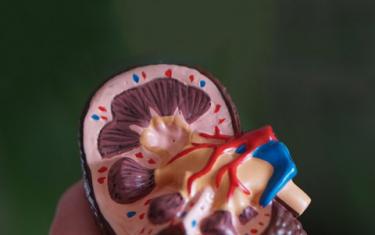
Rising creatinine: Pharmacological management of CKD
Fluent management of CKD - in preventing or delaying the commencement of dialysis - improves the quality of life and mortality.
Neuromuscular conditions
This course covers the presentation and prognosis of the more common neuromuscular diseases.
Assessing decision-making capacity: the clinical basics
It is within the scope of practice of all doctors and a number of other health professionals (e.g.
Decision-making capacity: the legal aspects
Learn about the legal process that follows a capacity assessment. This course is part 2 of a 2-part module:
Pharmacology in sports medicine
There are a variety of medications that are commonly used in a sports medicine setting.
Abusive head trauma in infants and children
Abusive head trauma (AHT) is the leading cause of preventable, traumatic head injury in those under the age of two years.